


Strength Amidst Adversity: How Baganda Preserved their culture without a King for 30 years
- kaweesa Joseph
- Oct 28, 2023
- 4 min read

Obote on May 24 1966 ordered the invasion of the Ssekabaka Muteesa's palace, exiled him and died 21 November 1969 in exile which left Buganda without King until 1993 when Mutebi his son was enthroned to the throne. Buganda stayed culturally strong and intact those 30+ years; What kept Buganda that strong are the points discussed below here

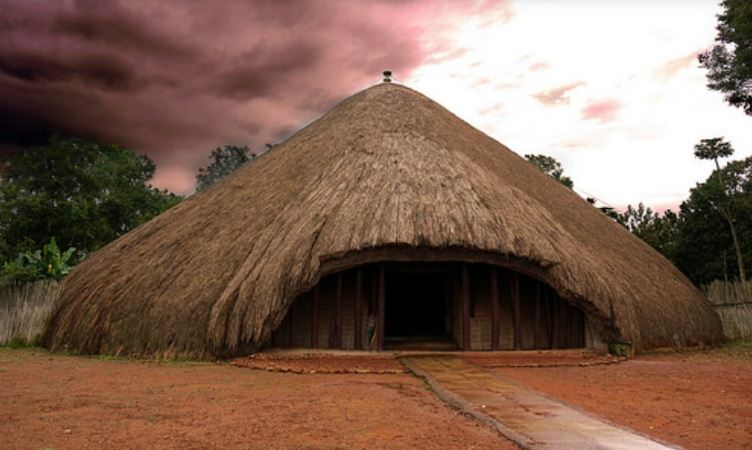
The Baganda people, hailing from Uganda's Buganda region, have held onto their cultural unity and resilience even after the exile and murder of their king in 1966. A myriad of factors have played pivotal roles in shaping this unity, which goes far beyond mere shared geography. Their cultural identity, political involvement, community organization, and deep-rooted traditions have allowed them to endure and thrive through hardships.
Cultural Heritage and Identity:
The Baganda people proudly maintain their unique cultural identity, firmly rooted in their rich history, customs, and traditions. Their language, Luganda, is a cornerstone of their heritage. The preservation of Luganda, along with its expressive art forms, music, and dance, serves as a testament to their strong cultural cohesion. Their traditional clothing, like the gomesi and kanzu, symbolizes the enduring pride in their heritage.
Buganda Kingdom:
The Buganda Kingdom, with its traditional monarchy led by the Kabaka (king), remains at the heart of the Baganda identity. Even during the exile of the Kabaka, the kingdom's institution served as a rallying point for their cultural and political unity. It exemplifies their resilience in the face of external challenges.
Community Organization:
Deeply ingrained in the Baganda culture is the notion of community and family. Their extensive clan system and local organizations have helped foster a sense of unity. The Baganda's extended family networks, known as "ebika," illustrate this communal structure. They are a source of support and unity during both joyous and challenging times.
Shared Values and Beliefs:
The Baganda people share common religious and spiritual beliefs, encompassing both traditional African religions and Christianity. Their spiritual practices bind them together, and religious gatherings, rituals, and festivals are occasions where this unity is palpable. For instance, events like "Eid al-Fitr" or "Eid al-Adha" are observed by the Muslim Baganda, contributing to their cultural tapestry.
Social Networks:
The Baganda have maintained extensive social networks, both within Uganda and across borders. These networks allow for a continuous exchange of ideas, cultural practices, and traditions. The Baganda diaspora worldwide remains connected to their homeland, promoting unity and a sense of belonging.
Economic Activities:
Agriculture and trade are traditional Baganda occupations, fostering economic stability and cooperation among community members. Examples of this unity can be seen in shared farming practices, cooperative savings groups, and markets where Baganda merchants collaborate.
Resistance to External Forces:
The Baganda's historical experiences, including colonialism and political upheaval, have led to a shared sense of struggle and unity. Resistance movements against external forces, like the colonial era's "Bataka" movement, serve as reminders of their collective resilience in protecting their culture.
Cultural rich heritage sites.
Unwritten, Buganda had a record of all her history, social political and economic. These many historical events are kept under different cultural sites scattered all over \buganda. When Obote exiled/killed the kabaka he never torched or destroyed any of such cultural sites, hence Amasiro, clan land, and all important cultural sites stayed in hand of their caretakers who maintained them.
The clan leaders/
Buganda is solely made by clans and their heads, the kabaka is just a shadow of the clan council. When Obote exiled the King, the clan leaders powers were never tourched switched or changed. Clan leaders loyally guided their grandchildren through these dark ages,
Formation of Youths Nkobazambogo group
Buganda Nkobazambogo a youth association was formed in the 80s with an aim of educating and indoctrinating youth into Bugandas cultural values. This association spread in all schools hence putting Buganda nationalism on every Muganda Youths heart.
Political Engagement:
The Baganda have actively engaged in political processes, both historically and in contemporary times. Their involvement in governance and advocacy for their interests showcases their commitment to preserving their cultural unity.
Education and Cultural Preservation:
Access to education has played a pivotal role in maintaining unity among the Baganda. Schools, colleges, and universities have been essential in educating the youth about their cultural heritage, ensuring its continuation for generations to come.
Cultural Institutions:
The Buganda Kingdom has established cultural institutions, such as the clan structure that makes it hard for outsiders to penetrate. The clan system tresses each and every Muganda to a single grandfather that links him to Kintu the first Muganda King hence the Kabaka. (The Siga, Mutuba, Lunyirir, Mpya etc linage preservation) is unique to Buganda and the Bible (Israelites) which inter link one Muganda to another. With this system in place, the absence of the king didnt at all effect Buganda cultural unity and values. The Buganda Kingdom Museum, which serve as custodians of their rich history and heritage. These institutions are vital for the preservation and transmission of their cultural identity.
Philanthropy and Community Support:
The Baganda often engage in philanthropic activities and community support, reinforcing the sense of unity and solidarity within their communities. These actions encompass financial support during times of need, volunteering in local development projects, and providing social services to their people.
Cultural Pride:
Baganda individuals take immense pride in their unique cultural practices, language, and traditions. This pride contributes to the preservation of their identity and is often displayed through the promotion of cultural dress, music, and dance.
Absence of landless wandering landless migrant
Throughout those years, Uganda in general had all her citizens settled in their different cradle land with none interested in another's land. It hadn't been invaded by migrants seeking for where to settle at any destruction cost.
Conclusion:
The Baganda people's unity is a remarkable testament to their unwavering resilience and pride in their rich cultural heritage. Their ability to adapt to evolving circumstances, while preserving their traditions, serves as a source of inspiration. The Baganda's strong cultural identity, historical resilience, and shared values continue to play a pivotal role in maintaining their unity, even in the face of external pressures and political challenges. The unity of the Baganda people reflects their deep commitment to preserving their identity and traditions, ensuring their cultural legacy endures for generations to come.

Comments